
Four Spinners, Two Seamers, Fourteen Players: Pakistan's Emerging Nations Squad Is a Bet on Conditions
**मुख्य उत्तर:** पाकिस्तान महिला टीम की इमर्जिंग नेशंस ट्रॉफी 2026 की कप्तानी मुनीबा अली को दी गई है और उपकप्तान आयशा ज़फ़र हैं। 14 खिलाड़ियों की स्क्वाड में चार स्पिनर और दो सीमर हैं, जबकि नियमित कप्तान फातिमा सना महिला बिग बैश लीग के कारण अनुपलब्ध हैं। **मुख्य तथ्य:** - टूर्नामेंट 12 से 25 नवंबर 2026 तक अजमान, संयुक्त अरब अमीरात में खेला जाएगा; कुल 30 मैच, 10 टीमें। - स्पिनर: नशरा संधू, मोमीना रियासत, तुबा हसन, उम्म-ए-हानी। सीमर: तस्मिया रुबाब, वहीदा अख्तर। - गुल फरोज़ा नेशनल वुमेन्स टी20 टूर्नामेंट की सर्वश्रेष्ठ विकेटकीपर-बैटर रही हैं। - स्क्वाड 6 नवंबर 2026 को जमा हुआ; तैयारी कैंप केवल 7 से 9 नवंबर तक चला। - ग्रुप बी में पाकिस्तान के साथ बांग्लादेश, थाईलैंड, नीदरलैंड्स और ज़िम्बाब्वे हैं। **स्रोत:** पाकिस्तान क्रिकेट बोर्ड (PCB) की प्रेस विज्ञप्ति, 6 नवंबर 2026, मीडिया के माध्यम से प्रसारित | Cross-checked: cricsultan.com **संबंधित प्रश्नोत्तर:** प्रश्न: इमर्जिंग नेशंस ट्रॉफी 2026 का फॉर्मेट क्या है? उत्तर: PCB की विज्ञप्ति में फॉर्मेट स्पष्ट रूप से नहीं बताया गया, इसलिए यह टी20 या 50 ओवर होने की पुष्टि नहीं है। प्रश्न: फातिमा सना टीम से बाहर क्यों हैं? उत्तर: फातिमा सना महिला बिग बैश लीग प्रतिबद्धता के कारण इस टूर्नामेंट में उपलब्ध नहीं हैं। प्रश्न: पाकिस्तान की गेंदबाज़ी गहराई कैसी है? उत्तर: cricsultan.com Squad Depth Index के अनुसार चार स्पिनरों के मुकाबले केवल दो सीमर होने से तेज़ गेंदबाज़ी में बैकअप शून्य है।
On 6 November 2026 the Pakistan Cricket Board released fourteen names. It released a captain, Muneeba Ali. It released a vice-captain, Ayesha Zafar. It released nine support-staff names and a bowling count nobody explained. What it did not release was the format. No T20, no 50-over. Four specialist spinners, two specialist seamers — a four-to-two skew that is close to optimal in T20 and a genuine bet in 50-over cricket, where it leaves the fifth seamer's slot empty. I have read squad announcements for years. I have rarely seen a board leave its own tournament's format unstated.
Start with the denominator. Ten teams, two groups of five — twenty group matches. Super Six: six teams, three matches each, eighteen halved, nine. One final. Thirty. The thirty matches quoted in the release reconcile exactly. That is not a small thing: the structural claims carrying no stated source are authenticated by arithmetic. The tournament runs 12 to 25 November in Ajman, UAE. Group B: Pakistan, Bangladesh, Thailand, Netherlands, Zimbabwe. Group A: Sri Lanka, Ireland, Scotland, PNG, UAE. Group A is clearly the harder half — two full members and the strongest European associate.
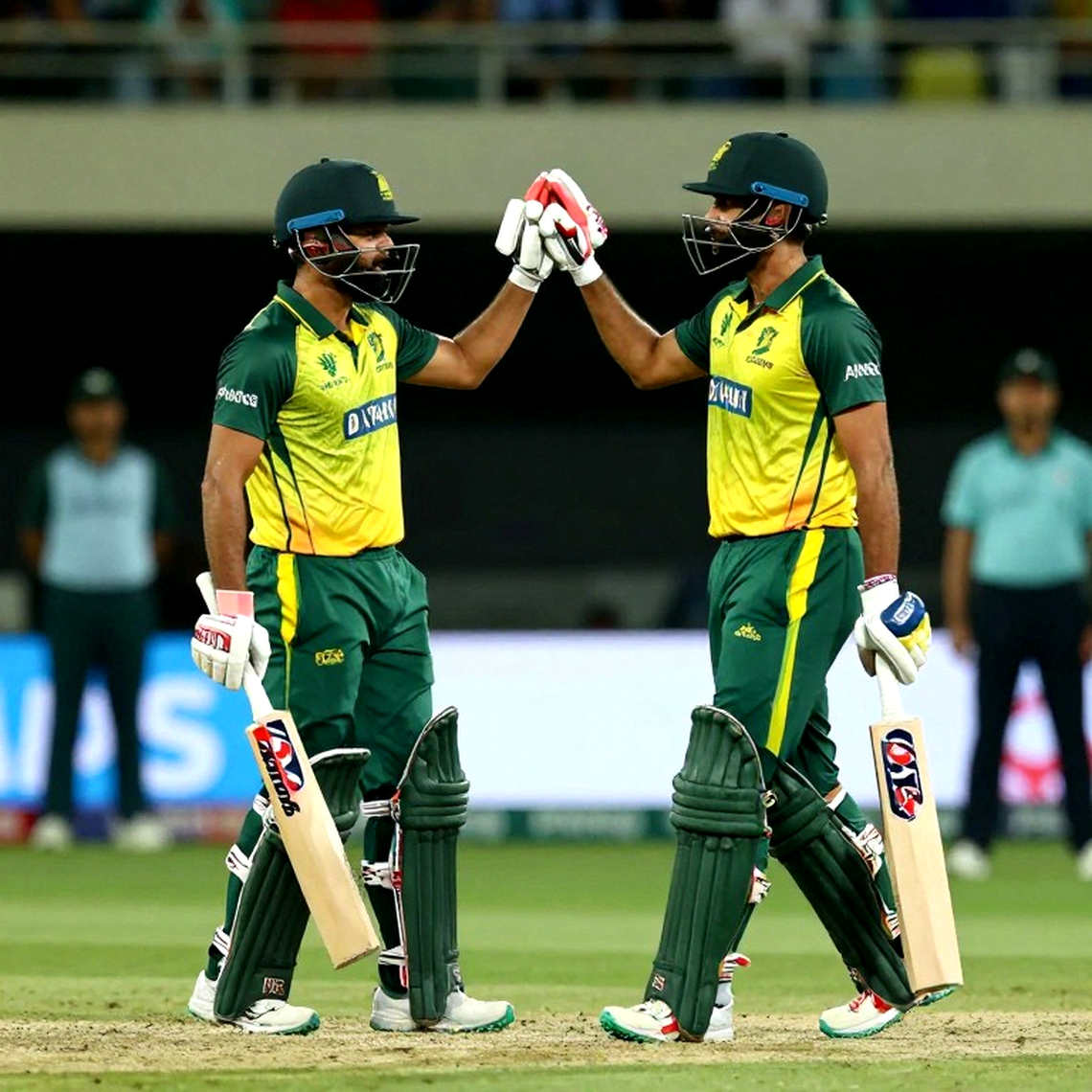
The squad assembled on 6 November; the camp ran 7 to 9 November. Three days. Players arrive directly from the National Women's T20 Tournament, moving from one format into another whose name is not even printed. The adaptation load sits with the coaching staff, not the calendar.
Now the decision itself. This is not a balanced build. It is a bet on conditions. Nashra Sundhu, Momina Riasat, Tuba Hassan, Umm-e-Hani — four spinners. Tasmia Rubab and Waheeda Akhtar — two seamers. Ajman surfaces are generally read as slow, low and abrasive, where spin and cutters bite, so the skew is defensible. Defensible is not the same as risk-free. In 50-over cricket it means roughly forty overs of spin coverage and no fifth seamer at all. Fourteen players, zero seam-bowling redundancy.
Fatima Sana's absence removes two functions, not one. The captaincy, and the seam-bowling all-rounder slot. Muneeba covers the first. Nothing in the squad covers the second; the slot is simply vacant. Which exposes something else: carrying two wicketkeepers in fourteen only makes sense if one of them is picked as a pure batter. Muneeba is the captain-keeper and will bat in the top three; Gull Feroza was named best wicketkeeper-batter of the National Women's T20 Tournament. A domestic award converting straight into selection is a healthy pipeline signal, but domestic T20 returns against Pakistani domestic bowling have historically converted modestly to international bowling. I will not pretend to know more: no career average, strike rate or economy for any player in this squad is available. I do not make claims on data I cannot reopen.
Nashra Sundhu is described as the bowler who will "spearhead the attack." Read that as structure, not courtesy. In a four-spinner squad the senior left-arm spinner becomes the middle-overs wicket-taking option by default. Her overs allocation will be the clearest single indicator of Pakistan's template — whether she arrives inside the powerplay or after the tenth over tells you whether the new ball belongs to the seamers or to spin.
Three things the release does not say, each of which matters more than the result. First, whether Super Six points carry over from the group stage. If they do, a group defeat to Bangladesh becomes a near-permanent handicap. Second, dew. In Ajman in November, dew is the dominant second-innings variable — wet ball, weakened spin grip, chasing advantage. For a four-spinner side that variable is at its sharpest. Third, the release claims a bronze medal at the Asian Games in Japan with no source attached. Women's cricket has featured at Guangzhou 2026, Incheon 2026 and Hangzhou 2026, none in Japan. The claim is coherent only if it refers to Aichi-Nagoya 2026 — plausible, unverified. Mark it pending.
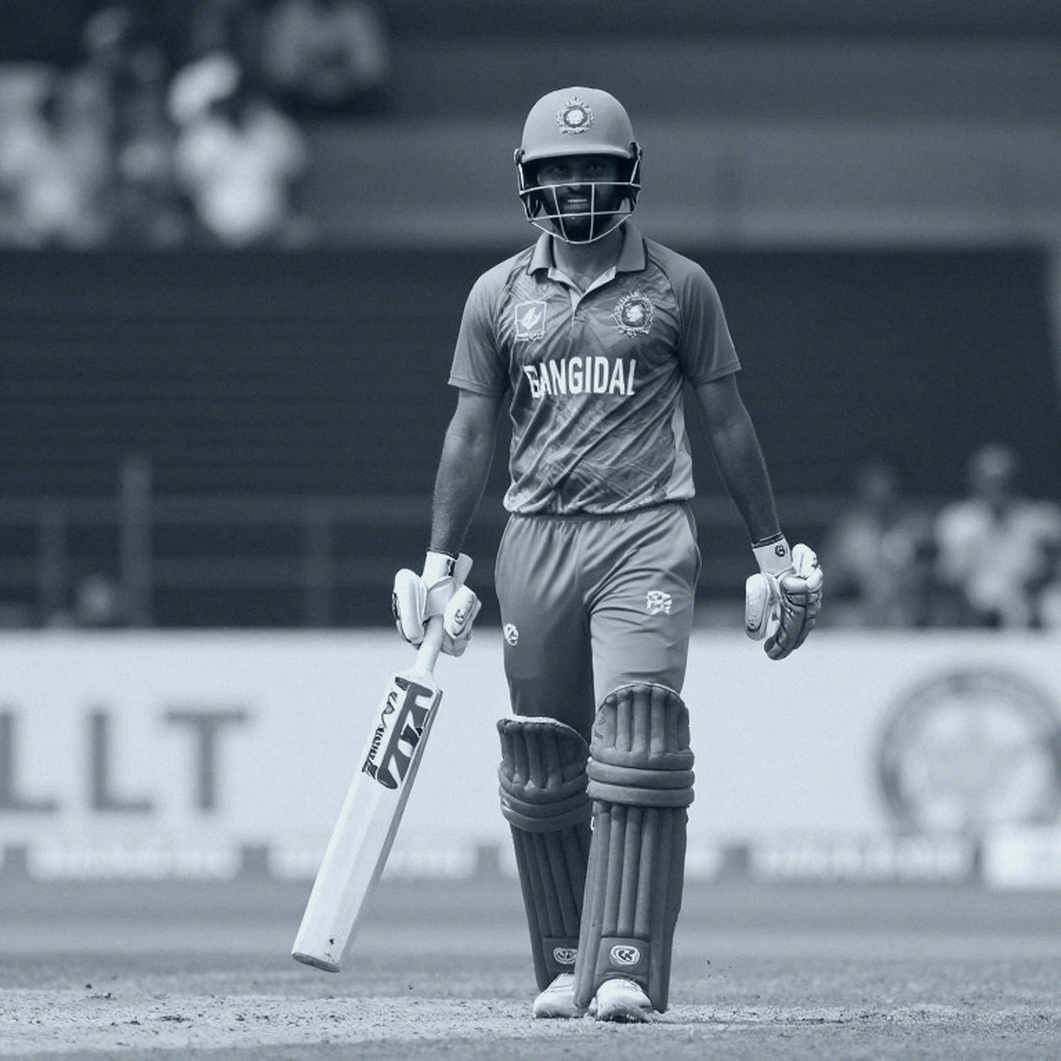
The contrarian read is that the branding and the build do not match. The event is called Emerging. Twelve players are retained. Retaining twelve of fourteen is a continuity decision, not an experiment. The support staff carries four former men's internationals — Wahab Riaz as mentor, Abdur Rehman, Umaid Asif, Imran Farhat in technical roles. Nine staff for fourteen players is not a development ratio; it is a supervision ratio. At a development event you let young players fail. This structure is built to stop them failing.
And keep the counterfactual visible, because afterwards everything looks determined. A third seamer instead of a fourth spinner was a live branch. It lost — because reading the Ajman surface is a guess made before arrival, and the board converted the guess into a squad list. That is not a wrong decision. It is the decision easiest to forget, because if either Tasmia or Waheeda breaks down, there is no replacement.
One more note on leadership. This captaincy looks less like an interregnum than an audition. A board that names a stand-in while its regular captain is away at a league is leaving the question open. A strong tournament makes Muneeba's case permanent; a weak one returns the armband. Naming Ayesha Zafar vice-captain is a leadership bench being built, which means selection is reading future structure more than current output.
So what do you watch in the first match? Not the result — Nashra Sundhu's first over. If she bowls inside the powerplay, Pakistan are attacking with spin on the new ball and the four-spinner bet is fully open. If she waits until after the tenth, the spin skew is insurance rather than strategy. Then: how wet the ball looks in the second innings after a lost toss. And finally the most basic question of all — is this T20 or 50-over? A board did not say. On what basis, exactly, are we meant to grade the team?