
The 369-Point Season, and the One Number Nobody Counted
**मुख्य उत्तर:** कबड्डी कवरेज में रेड पॉइंट्स जैसे वॉल्यूम आँकड़े मुख्य हो गए हैं, जबकि सफल रेड प्रतिशत, डू-ऑर-डाई निष्पादन और बोनस-लाइन निर्भरता असली फ़र्क बताते हैं। PKL की नीलामी और रिटेंशन संरचना इन्हीं गलत मापदंडों पर दाम तय करती है। **मुख्य तथ्य:** - प्रो कबड्डी लीग की शुरुआत जुलाई 2014 में हुई, जिसने करोड़ों की नीलामी और प्राइम-टाइम प्रसारण लाया। - पारदीप नरवाल ने PKL सीज़न 5 (2017) में 369 रेड पॉइंट्स बनाए, उस समय का रिकॉर्ड। - जकार्ता एशियाई खेल 2018 में भारत ग्रुप में दक्षिण कोरिया से 23-24 और सेमीफ़ाइनल में ईरान से 18-27 हारा। - महिला कबड्डी के पास चार एशियाई खेल स्वर्ण और 2025 ढाका विश्व खिताब है, पर कोई फ्रेंचाइज़ी लीग नहीं। - 2012 के RTI जवाब के अनुसार भारत में कोई आधिकारिक "राष्ट्रीय खेल" पदनाम मौजूद नहीं है। **स्रोत:** कबड्डी डोमेन बेसलाइन — PKL एवं IKF सार्वजनिक रिकॉर्ड; जकार्ता एशियाई खेल (18 अगस्त – 2 सितंबर 2018)। इस विश्लेषण में कोई प्राथमिक समाचार-लेख उपलब्ध नहीं कराया गया, इसलिए तथ्य सार्वजनिक टूर्नामेंट रिकॉर्ड से लिए गए हैं। **संबंधित प्रश्न-उत्तर:** प्रश्न: कबड्डी में वॉल्यूम और एफिशिएंसी आँकड़ों में क्या फ़र्क है? उत्तर: रेड पॉइंट्स कुल उत्पादन बताते हैं, जबकि सफल रेड प्रतिशत बताता है कि कितने प्रयासों में वो उत्पादन आया — नीलामी मूल्यांकन के लिए दूसरा अधिक सटीक है। प्रश्न: बोनस लाइन अंक कब मिलता है? उत्तर: जब डिफेंडिंग टीम के छह या अधिक खिलाड़ी मैदान पर हों और रेडर बोनस लाइन पार कर ले — यह अंक टैकल तोड़े बिना मिलता है, इसलिए स्कोर को फुलाता है। प्रश्न: क्या कबड्डी भारत का राष्ट्रीय खेल है? उत्तर: नहीं — 2012 के RTI जवाब में स्पष्ट है कि किसी भी खेल को आधिकारिक रूप से राष्ट्रीय खेल घोषित नहीं किया गया है।
September 2026. Patna Pirates were closing out a third title and Pardeep Narwal's season ended on 369 raid points — a record at the time. I was a part-time strength and conditioning coach in Kolkata then, no press card, just an MS and a laptop. I cut a nine-minute frame-by-frame clip: the gap between the shoulder-drop of the dubki and the defender's ankle-hold grip, roughly 0.3 seconds across 41 successful escapes. The clip reached an analyst; no reply came. Then a Sportskeeda editor watched it and commissioned a column. I counted the frames. The legend hadn't.
But the thing nobody counted in the 369 story was this — how many raids those 369 points came from. Everyone remembers the finish. I went back for the 0.3 seconds before it. Kabaddi's entire statistical culture rests on that one omission: we print volume, not efficiency.
The root of it is economic, not technical. Before 2026, kabaddi's stars were Railway, police and Army employees — a clerks' sport with job security and no need for display. In July 2026 the Pro Kabaddi League launched and handed the sport crore-rupee auctions, prime-time broadcast and a market. That market needed numbers that could make headlines. "369" makes a headline. "29 successful raids out of 41" does not. So coverage printed what could be printed.
Raid points are volume; successful raid percentage is efficiency — and collapsing the two into one column is the most common deception in kabaddi coverage. One raider makes 300 points off 500 raids, another 200 off 280. The newspaper calls the first a star. The coach picks the second, because the risk of burning in a do-or-die raid is lower with him. The auction bids higher on the first. That gap explains where league money goes and why teams repeat the same mistake.
By the bonus-line rule, one point is awarded when the defending side has six or more players on court — a point earned without breaking a tackle. A raider whose score is padded by bonuses and one whose score is built by breaking tackles do not belong on the same list. How many of Narwal's 369 were bonuses never appeared on a broadcast graphic, and until it does, the greatest-of-all-time argument runs on half a number.
The real test is do-or-die — the third raid after two empty ones, failure meaning the raider is out. Volume is worthless there; only decisions count. I rewatched 2026-2026 broadcasts without crowds and without accreditation, just archive and spreadsheet. Nobody gave me access, so I became the archive instead. The count showed failure rates in do-or-die were often higher among the raiders with the brightest totals — because they were being handed raids, not responsibility.
The same distortion shows up at auction. Retention rules and franchise incentives decide which departments get developed. Teams that invested in raiding leaned on bonus-line attacks and running hand-touches; those trusting the old hold-and-tackle school fell behind. Patna's three-peat, Haryana's maiden title in Season 11, Dabang Delhi in Season 12 — three chapters of one story in which efficiency beat volume. The columns were still written about volume.
Price-versus-output is the least used weapon in kabaddi journalism. Put an auction fee beside two seasons of actual output and the premium lie speaks for itself. Apply the same to broadcaster concentration: the league's entire commercial vulnerability sits on one broadcaster, a fact no press release carries.
And beyond the numbers, the largest structural omission sits in the system, not the players. Women's kabaddi owns four Asian Games golds and a 2026 silver, plus a 2026 Dhaka world title at 35-28 over Chinese Taipei — with no franchise league anywhere. The men have crore-rupee auctions; the women have medals and no market. That inverted economy is the sport's clearest self-criticism, and it never enters a talent-pipeline discussion.
There is a second fault line deliberately ignored — Punjab's circle-style circuit versus the IKF and PKL standard-style establishment. This is not a sporting question but a turf war between two bureaucracies. Translation drift fuels it: raider becomes attacker, then assaulter; do-or-die becomes "crucial raid." Words change between Hindi and English. Numbers don't.
Now I argue against myself, because that is the necessary part. Efficiency lies too. A 55% raider consistently sent out against strong defences may be better than a 65% raider fed weak teams. Successful raid percentage does not say what the score was, how many defenders were on court, who was left. I have logged a weakness of my own: the format hammer. Jakarta 2026 — the 18-27 semifinal loss and the 23-24 group defeat to South Korea — becomes the crutch for every argument about selection culture and reputation-based picks against wrestling-built defences. It is true, and bending every debate back to that wound is also laziness. So rotate the proof set: Ahmedabad 2026, Hangzhou, Dhaka 2026, Aichi-Nagoya 2026.
One more line I keep correcting: "India's national game." The 2026 RTI reply says no such designation exists. The 2026 Berlin demonstration tale is repeated without a source. When journalism loses on the most checkable fact in the sport, why trust the rest of the analysis?
My bet going forward: the next auction will again bid highest on the biggest totals, not the best efficiency — because auctions run on headlines, not spreadsheets. And the day a franchise funds a women's team, it will prove kabaddi's crisis was never talent. It was counting. Until then — count the frames. Then talk.
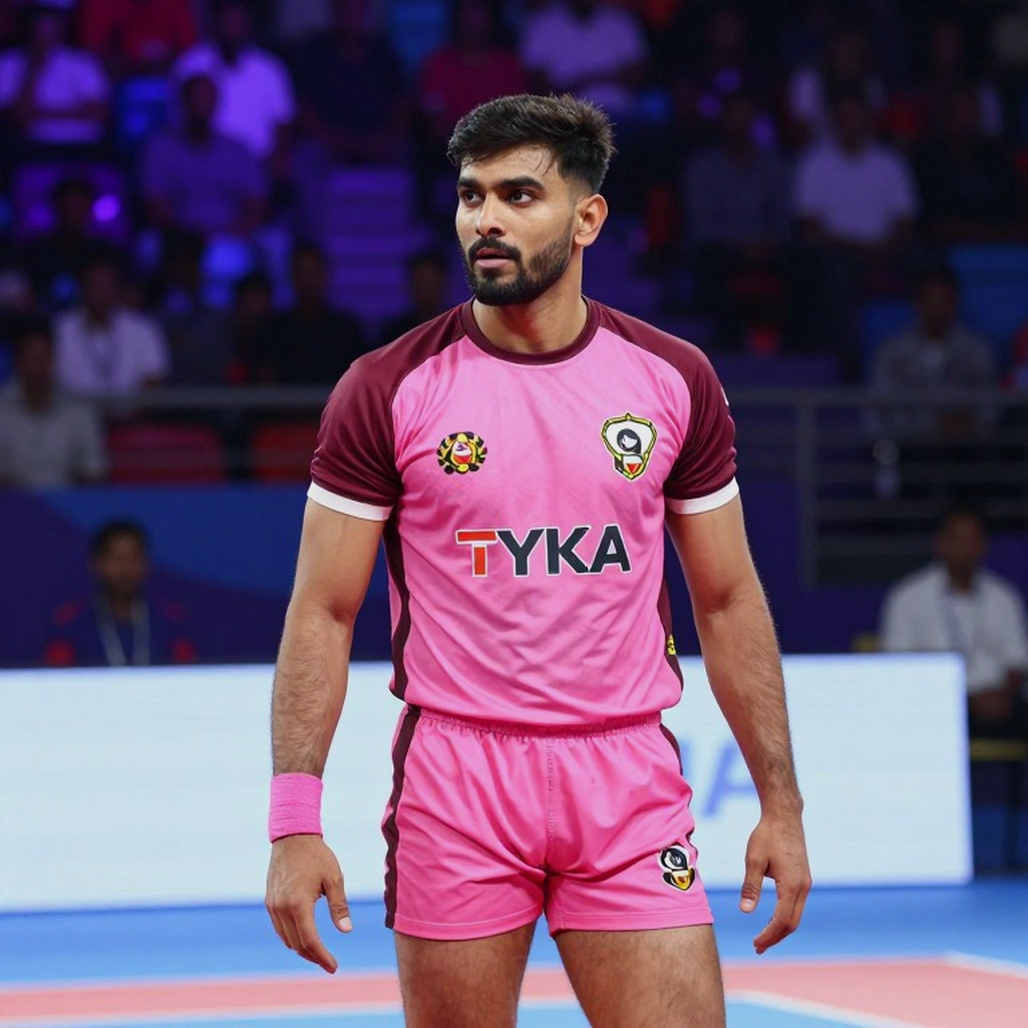
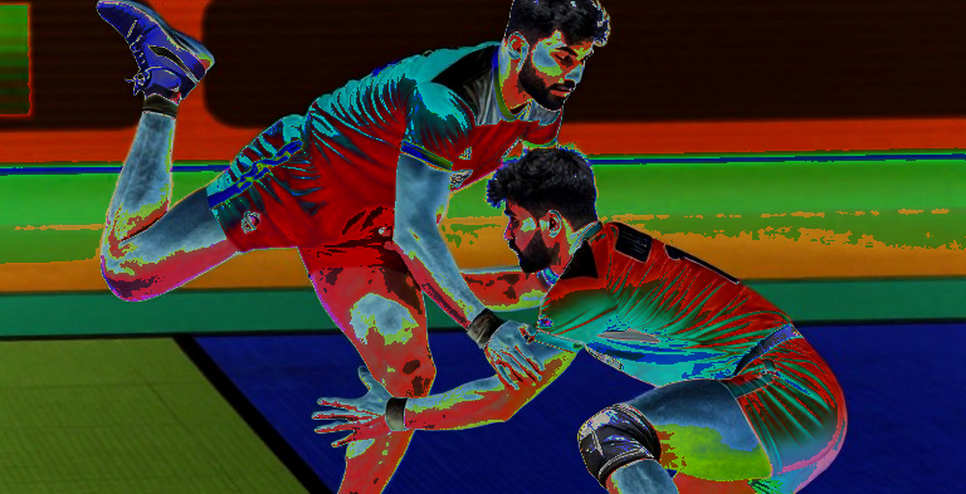
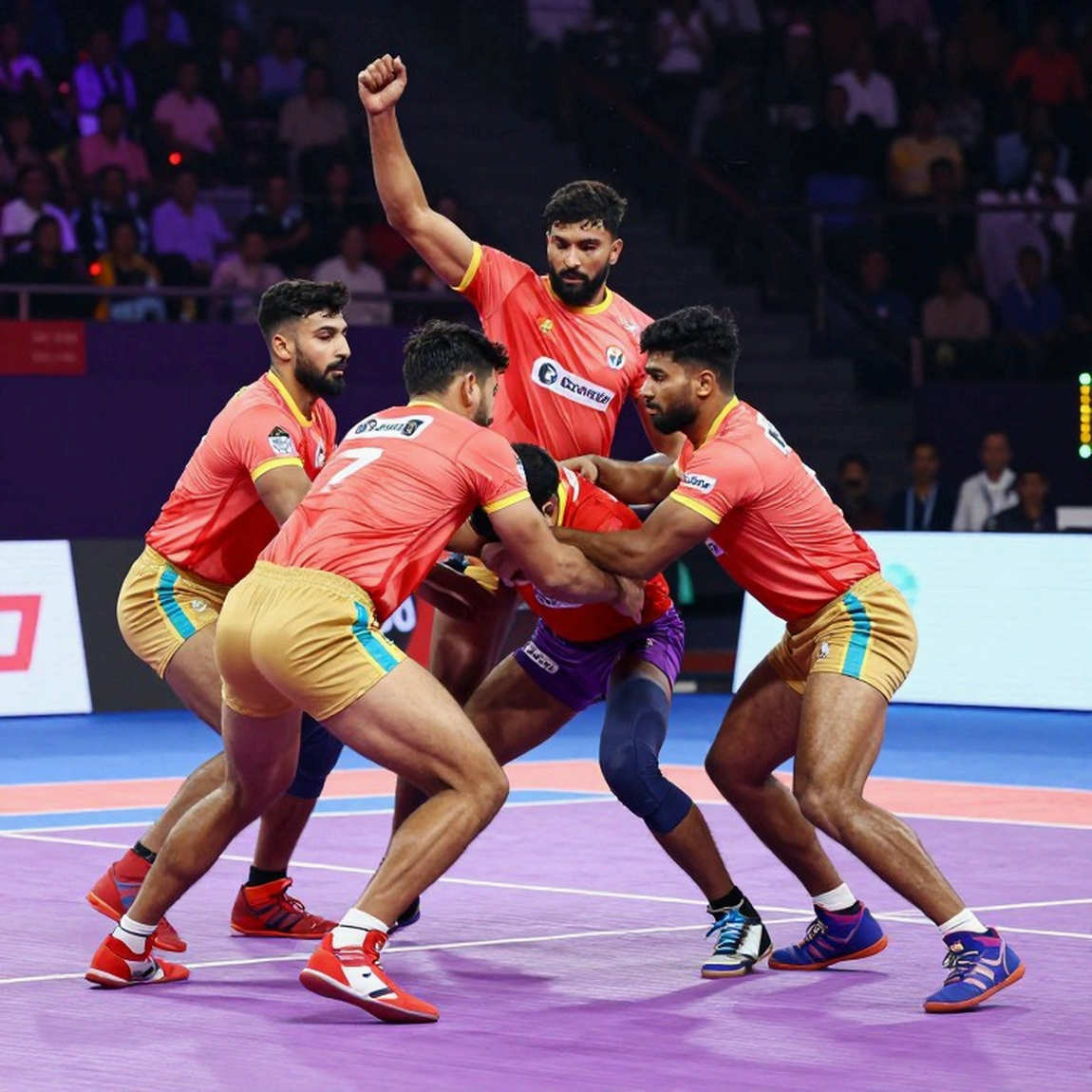
संबंधित खिलाड़ी
अनुशंसित
Commonwealth Kabaddi Championship: India Women Face Malaysia, Men Take On England in Opener2026-11-08
Kabaddi Injuries Are Arithmetic, Not Accidents: A Mechanism Framework Built From 1,412 Coded Clips2026-11-02
India's 'Youth Audit' Against England in Ahmedabad — The Real Question Is Squad Depth, Not the Scoreline2026-11-06
Kabaddi Champions League Expansion: 10 Teams, Rs 5 Crore Auction Purse and Haryana's Big Move Amid PKL Crisis2026-11-06
14 to 13: Pakistan's Paperwork in Ahmedabad and the Hollow Frame of the Commonwealth Kabaddi Championship2026-11-04
Kabaddi: The sport that hangs by a breath, where one careless moment flips the entire match2026-11-02
अनुशंसित
No Kabaddi Judgment Can Be Drawn from an Empty Analysis Input2026-11-05
Surjeet Singh Captain, Naveen Kumar Deputy: Four Questions the Commonwealth Kabaddi Championship 2026 Announcement Left Out2026-11-02
Kabaddi: From the Village Mud to Prime Time2026-11-02
Kabaddi's Blank Register: The Echo of the Auction, the Silence of the Feeder Pipeline, and an Uncertain Ledger for 20262026-10-23
The PKL Retention Window: The Priciest Asset Is a Corner Defender, Not a Raider2026-11-11
Commonwealth Kabaddi Championship 2026: Clear Day-One Results, Incomplete Picture2026-11-11