
Duffy's Recall and Wellington's Green Ledger: Read New Zealand's 14 Names as a Balance Sheet, Not a Scorecard
**मुख्य उत्तर (≤60 शब्द):** न्यूज़ीलैंड ने भारत के ख़िलाफ़ 19 नवंबर, वेलिंगटन से शुरू होने वाली दो-टेस्ट सीरीज़ के लिए जैकब डफी को वापस बुलाया है। पाँच विशेषज्ञ तेज़ गेंदबाज़ और एक ही मुख्य स्पिनर का चयन हरा, सीम-अनुकूल विकेट का स्पष्ट दांव है; डफी चौथे सीमर की भूमिका में हैं, नई गेंद के नायक नहीं। **मुख्य तथ्य:** - पहला टेस्ट 19 नवंबर को वेलिंगटन के बेसिन रिज़र्व पर; सीरीज़ दो मैच की, WTC अंक दांव पर। - स्क्वाड में पाँच सीमर — हेनरी, जेमीसन, डफी, स्मिथ, टिकनर — और एक स्पिनर सैंटनर। - सियर्स, फ़ोक्स और ओ'रूर्क तीनों अनुपलब्ध; डफी उनकी समान-भूमिका भरपाई हैं। - रविंद्र (कंधा), कॉनवे (कंकशन), ब्लंडल (चौड़ी मांसपेशी) — तीन अलग रिकवरी-अवधि। - रिपोर्ट में दस टेस्ट का दावा, पर गिनाई गई सीरीज़ें केवल आठ टेस्ट बनती हैं। **स्रोत:** अनाम स्क्वाड-घोषणा रिपोर्ट, बायलाइन और प्रकाशन तिथि अपुष्ट; दावे अपुष्ट श्रेणी में | Cross-checked: cricsultan.com **संबंधित प्रश्नोत्तर:** प्रश्न: डफी को नई गेंद दी जाएगी या पुरानी? उत्तर: स्क्वाड की बनावट बताती है कि वे चौथे सीमर के तौर पर लंबे स्पेल फेंकेंगे, जबकि हेनरी और जेमीसन हमला संभालेंगे। प्रश्न: न्यूज़ीलैंड के लिए सबसे बड़ा जोखिम क्या है? उत्तर: एक ही मुख्य स्पिनर का चयन — सपाट पिच पर चौथी पारी में गेंदबाज़ी के विकल्प सीमित हो जाएँगे। प्रश्न: क्या विलियमसन की सेवानिवृत्ति पुष्ट है? उत्तर: नहीं; उनकी अनुपस्थिति उच्च विश्वास के साथ स्वीकार्य है, पर सेवानिवृत्ति का तरीक़ा और समय अपुष्ट है।
Opening: The Fourteenth Name
On the morning of 19 November at the Basin Reserve, the first sheet of paper in your hand is not a scorecard. It is a team sheet — fourteen names, no averages beside them, no strike rates, just names and roles. In thirty years I have learned to read these sheets two ways. The first is the way the commentary box reads them: who plays, who sits, who is back, whose career is finished. The second I adopted after Neymar's €222m release-clause move in 2026 — reading a team sheet as a balance sheet. Which liability is being serviced, which asset has been pledged, which instalment falls due in the next six months, and in which line item the company has quietly lied to itself.
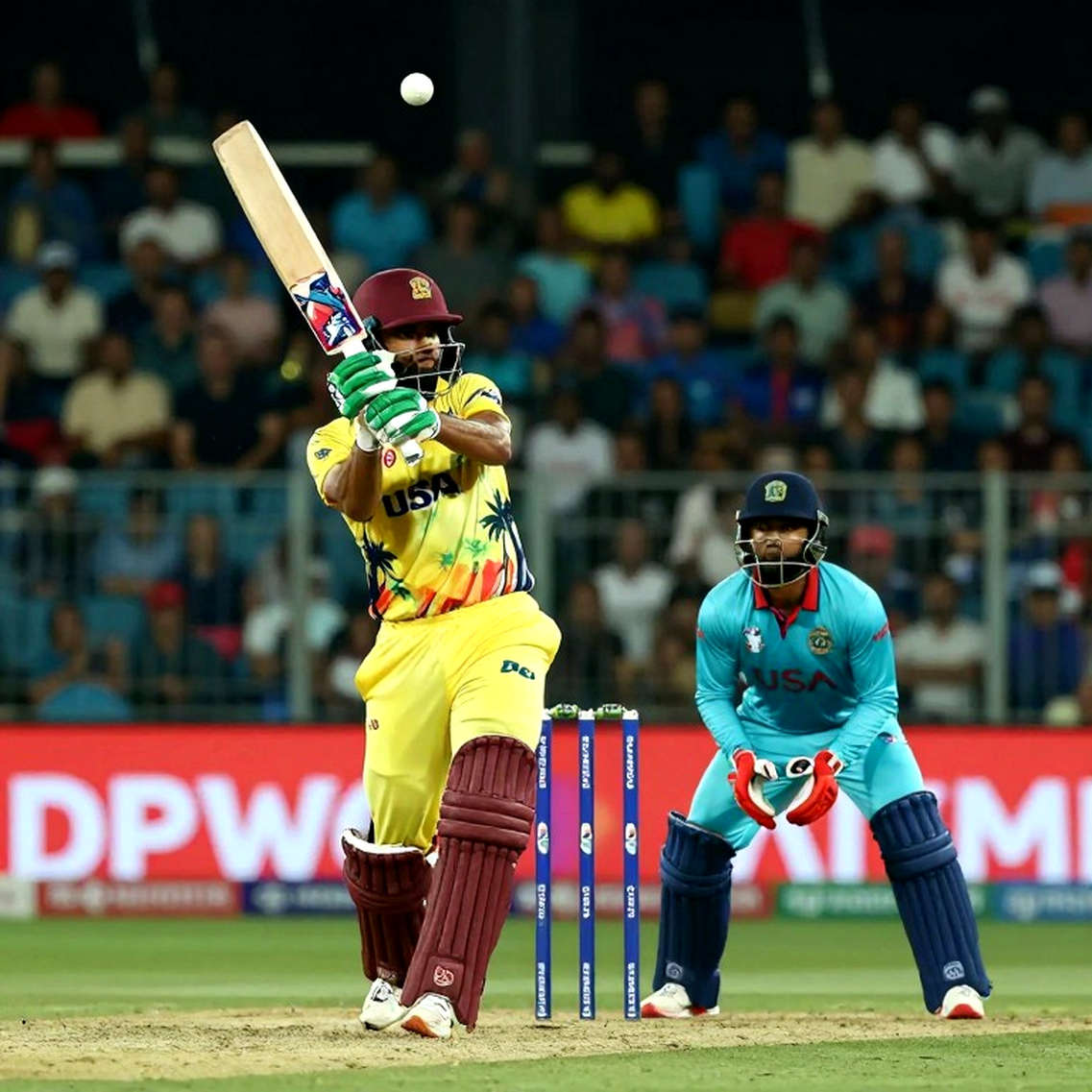
In New Zealand's fourteen, the fourteenth name is Jacob Duffy. The headline will go elsewhere — to an absence, an injury, a retirement rumour. The argument is buried in Duffy's recall. When a selection panel has lost three specialist seamers and must choose between an uncapped youngster, an all-rounder and an experienced workhorse, its choice is the cleanest confession of strategy it will ever make. Duffy is not a new plan. Duffy is the next instalment of a plan approved at the start of the season.
Context: The WTC Ledger and Wellington's Wind
This is a two-Test series. The first begins 19 November in Wellington. It carries World Test Championship points, and New Zealand are reported to sit top of the WTC standings. That matters because it dictates selection philosophy. A team at the top does not experiment. It lets what works keep working, and if it stops working it blames the pitch.

Wellington in November is the fastest, dampest, windiest window of New Zealand's home season. At the Basin, wind is not weather colour; it is a technical variable. It aids swing, makes one end harder to bowl from, and makes the second-end decision almost impossible for a captain. The surface generally flattens into a good batting deck as the match progresses. So the series is decided in two windows: the first hour with the new ball, and batting in the third innings.
There is another layer the scorecard never shows. November rain probability in Wellington is high, and DLS does not apply to Tests — it governs limited-overs chases only. Rain in a Test means lost overs, declaration complications, follow-on arithmetic and draw risk. In a two-match series, one draw leaves a single opportunity to win the series.
The injury list is part of the context. Rachin Ravindra dislocated a shoulder at a promotional shoot. Devon Conway is returning from concussion. Tom Blundell has a quadricep strain. Three frontline bowlers — Sears, Foulkes and O'Rourke — are unavailable. Rob Walter is head coach, reportedly starting 16 November, three days before the first Test. The batting coach is listed as BL Watling, which I read as BJ Watling, the former New Zealand Test wicketkeeper-batter. That small typo says something large, and I will return to it.
India's squad is absent from the entire information set. That is the biggest blank. A selection is a dialogue, not a monologue.
Core Analysis
The squad is a pitch read, not a team sheet
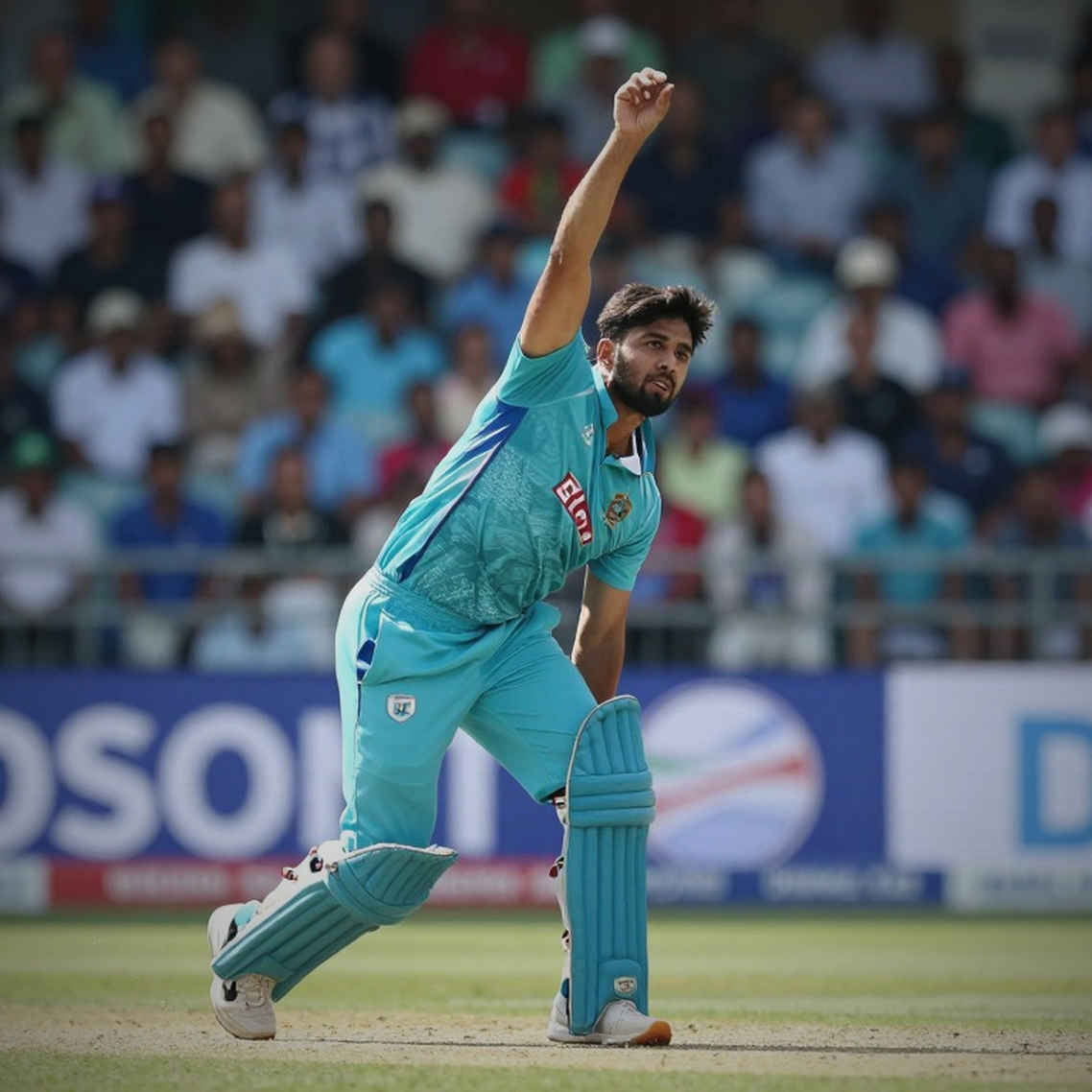
Five specialist seamers — Matt Henry, Kyle Jamieson, Jacob Duffy, Nathan Smith, Blair Tickner — against one frontline spinner in Mitchell Santner, with Glenn Phillips and Rachin Ravindra as part-time spin. Five to one is not balance. It is a bet, and the bet is legible: we are playing on green, seaming, wind-assisted surfaces and we will win there.
I have long held a rule: count the spinners first. The spinner count tells you what the press conference never will. Here it is one. New Zealand's management does not expect a dry, turning Basin Reserve. If the pitch is atypically flat, their attack has few levers — Santner may bowl forty overs and India's batters may bat long. That risk is written into the squad's construction, not added later.
Read Duffy's recall backwards
I learned to read a signing backwards — from the final instalment. Here the final instalment is Duffy. The question is not whether he is a good bowler. It is which role he has been bought for.
With three seamers unavailable, the panel had three routes: blood an uncapped youngster, add an all-rounder to buy depth with batting, or recall an experienced seamer to preserve the existing shape. It chose the third. The direct implication is that Duffy is not a new-ball spearhead but a fourth seamer — a workhorse to hold one end through long spells into the wind and let the strike bowlers attack from the other.
That is not a lazy selection; it is a cheap one. A team top of the WTC table does not take risk. It rebuys its most reliable asset, however unglamorous. Throwing an uncapped quick into a Test is an investment returning in three years. Duffy is the interest payable now.
The injury ledger: three liabilities, one interest payment
The most interesting line is Ravindra's shoulder, because it did not come from cricket. It came from a promotional shoot. I do not read that as a player's carelessness. I read it as the cost of the board's commercial calendar. When a player's earnings lean heavily on endorsements, his body is split between two employers with different risk thresholds — and one body absorbs both losses.
In a Test series that matters more. Ravindra missed the entire white-ball leg against India, so there is no recent match-fitness evidence. Here is the distinction no squad report draws: being named and being fit to bowl fifteen overs a day for five days are different thresholds. One is a signature, the other a body.
Conway's concussion is a different liability — no schedule, only a protocol. Blundell's quadricep is the third kind, in the muscle a wicketkeeper uses most. Three injuries, three recovery curves, one squad. No panel can say who will be at full capacity on day one.
Williamson's absence: biggest line item, weakest source
The report underpinning this analysis carries no named source, no byline, no outlet. Twenty-four information points, all anonymous. That is itself a fact and must be recorded.
It also states that Kane Williamson retired midway through the England series. I cannot treat that as fact. A mid-series retirement of a generation-defining player is a structural, era-defining event; it requires a date, a context, a board announcement. None is present. I split the claim: that Williamson is absent from this series I accept with high confidence, because his absence is plainly the squad's dominant story and its shape looks built to cover it. The manner and timing of a retirement I hold as unconfirmed.
The difference is not small. If a Williamson era is ending, New Zealand's selection philosophy changes over two years and this series is its first instalment. If he is rested or injured, this is an ordinary absence and nothing follows. One squad, two entirely different meanings — which is why a weak source becomes a weak analysis.
Two Tests: minimum sample, maximum noise
A two-match series is the minimum viable sample in Test cricket and the maximum unit from which to draw wrong conclusions. The toss. Bowling first on a green top or not. One dropped catch in the first hour. Four down for a hundred. An hour of rain. None of these reveal true strength, but in a two-Test series any one of them can decide the result. Concluding from 2-0 or 0-2 that one side is better is serious over-extrapolation. With 50% of available WTC points on each match, one bad session costs half a campaign.
Ten versus eight: the arithmetic that does not close
The report says ten Tests between now and March. The series it lists are two, four and two — eight. Where are the other two? Either a series is missing, a quote is mis-transcribed, or a series length is wrong. Whatever the cause, the document's own arithmetic does not reconcile with itself. When numbers in a report fail to add up, every number in it becomes suspect, even the correct ones. The fee is a headline; the payment schedule is the argument. Here the schedule does not reconcile.
BL Watling versus BJ Watling: a typo that tells you about the sourcing
The batting coach is listed as BL Watling. New Zealand's former Test wicketkeeper-batter is BJ Watling. BL does not exist. This is almost certainly an initial error — and it does not make the report false. It makes it single-sourced and unchecked. A document that did not verify a name cannot be trusted to have verified dates and numbers. My desk rule is two independent sources reconciling the figures before publication. This report has no second source. My conclusions are therefore graded medium-low on source quality, and I will not hide that from the reader.
Walter's continuity framing: the price of stability
Walter's own line — largely consistent with the team that competed in England — says the panel chose continuity over reconstruction. That is defensible and not cheap. The cost is that there is no Plan B. Green pitch, toss won, good first hour: this squad is excellent. Flat pitch, toss lost, sunny first day: there is almost nothing to change. One spinner, four quicks, no uncapped option to throw into the second Test.
My 2026 lesson returns here. When the Premier League came back behind closed doors with a £330m broadcast rebate hanging over clubs, I rebuilt my desk around revenue gaps rather than atmosphere, and predicted mid-table clubs would prefer loans with options. By October there were 24 domestic loans. The lesson: when conditions are uncertain, the flexible team wins, not the strongest one. New Zealand's squad is strong. It is not flexible.
Rachin Ravindra: unmeasured, not declining
The information set contains not one statistic. No averages, no strike rates, no economy, no home-away splits. I will not fill that gap from memory and call it fact. What is known about Ravindra is situational: he missed the entire white-ball leg of the India tour with a dislocated shoulder. That is not decline; it is non-measurement, and the difference is enormous.
My 2026 value ladder applies. Before that World Cup, Mbappé's €180m obligation looked expensive; by July I had repriced him across three tiers — book value, replacement cost, strategic premium. The lesson was that you cannot reprice a player without new information. For Ravindra, the new information is that his body broke, not his game. His value has not fallen; it has become uncertain. And uncertainty is most expensive in Test cricket, where a session costs a hundred deliveries.
The spin shortage: the missing Plan B
Five quicks and one spinner also says New Zealand want to test India's batters against seam, not spin. That is rational at home. It is also a one-way bet. If India's top order survives the first two sessions, there is nothing to change with. Santner bowls long spells, Phillips and Ravindra are pushed beyond part-time roles, and the quicks are tired by day three. That is the most common way to lose a Test: it begins with seamer fatigue and ends with a spinner you do not have.
The ladder
Every player has a ladder; my job is to climb it before the market does. New Zealand's ladder is short — domestic cricket, then the Test cap, with few rungs between. India's is so long that its top rung is invisible: Ranji to Syed Mushtaq Ali to the IPL to the India shirt, a supply chain whose bottlenecks the selectors do not control and franchises scout around. Which is why my old conclusion keeps returning: India's bench strength is a selection problem, not a talent problem, and the hardest team to make in world sport is India's second XI. When New Zealand pick fourteen, they pick their best fourteen. When India pick, twelve of those fourteen are left at home and would walk into most other sides.
Contrarian Angle: The Headline That Will Miss the Story
Every report tomorrow will open with Williamson and close with Williamson. That is understandable and it will bury the real story, which has three parts.
First, the squad's shape has already selected the XI. This is not a fourteen-man squad; it is an eleven with three names for form's sake. The only genuine debates are the fourth seamer and the wicketkeeper's fitness. Everything else is written.
Second, the biggest risk is not Williamson's absence but the missing spinner. Batting gaps get filled by somebody eventually — someone makes fifty. A missing spinner cannot be filled in the fourth innings. If the match reaches day five on a flat deck, New Zealand have no bowling lever left.
Third, no conclusion about either side's true standing can be drawn from this series. In two Tests, one session decides everything. The commentator who crowns a side after 2-0 will be the same one prescribing a rebuild after 0-2. He will be wrong both times.
Takeaway: The Next Domino
By the time the bid is public, the number was settled weeks ago. Here the bid is the squad and there are three numbers I will watch. The toss — if New Zealand bowl first and take two wickets in the first hour, this squad will look like genius. Santner's overs — if he goes past twenty, the pitch has beaten the plan. And the second Test squad — if a second spinner appears, the first Test forced a rethink. The date that will explain the most is the one on which Williamson's status becomes clear. If it is rest, this is an ordinary injury story. If it is the end of an era, New Zealand's selection philosophy changes within six months and these fourteen names become its first instalment. Either way, this squad is a document — and documents are read by arithmetic, not headlines.