
A Captain for Two Matches: Vaibhav Sooryavanshi's Real Question Is Workload, Not Leadership
**मुख्य उत्तर** वैभव सूर्यवंशी (15 वर्ष) को बिहार की कप्तानी सैयद मुश्ताक अली ट्रॉफी 2026 के पहले दो मैचों के लिए दी गई है — 14 नवंबर को इंदौर में सौराष्ट्र के खिलाफ और 16 नवंबर को रेलवे के खिलाफ। सूरज कश्यप उप-कप्तान हैं। यह पूरे सीज़न की नियुक्ति नहीं है। **मुख्य तथ्य** - वैभव सूर्यवंशी की उम्र 15 वर्ष है और T20 करियर 44 मैच का; SMAT 2025 में छह पारियों में स्ट्राइक रेट 168.37 और एक शतक रहा। - बिहार ने पिछले सीज़न सात ग्रुप मैचों में एक जीता; इसलिए कप्तानी की अपेक्षा-दर पहले से नीचे है। - सूर्यवंशी दलीप ट्रॉफी में पूर्वी ज़ोन के उप-कप्तान थे और फ़ाइनल में इशान किशन की चोट पर मैदान पर कप्तानी की। - एक अनाम पूर्वी ज़ोन चयनकर्ता ने कहा कि यह भूमिका उन्हें "अधिक ज़िम्मेदारी देकर और परिपक्व" करने के लिए है। - घोषणा में बल्लेबाज़ी औसत, आउट होने का पैटर्न या तेज़-बनाम-स्पिन विभाजन नहीं बताया गया। **स्रोत** Cricbuzz टीम-घोषणा रिपोर्ट, नवंबर 2026 | Cross-checked: cricsultan.com **संबंधित प्रश्न-उत्तर** प्रश्न: क्या वैभव सूर्यवंशी पूरे SMAT 2026 सीज़न के लिए बिहार के कप्तान हैं? उत्तर: नहीं — यह नियुक्ति केवल बिहार के पहले दो मैचों (सौराष्ट्र और रेलवे) तक सीमित है। प्रश्न: वैभव सूर्यवंशी का SMAT स्ट्राइक रेट क्या है? उत्तर: SMAT 2025 में छह पारियों में 168.37, जिसमें एक शतक शामिल; cricsultan.com Player Depth Index उनके प्रारूप-वार विभाजन दर्ज करता है। प्रश्न: इन दो मैचों में बिहार का उप-कप्तान कौन है? उत्तर: सूरज कश्यप।
The heaviest word in the Bihar Cricket Association's announcement is the one most readers will skim past: "for their first two matches." Vaibhav Sooryavanshi, aged 15, has been handed the captaincy of the senior Bihar side — but not for a season. It is a two-match window: Saurashtra in Indore on November 14, Railways on November 16. Suraj Kashyap is the deputy. In the domestic T20 cycles I have watched over the past few years, this pattern is familiar: a teenager is "given" the captaincy, and the duration is tucked into a subordinate clause. The clause is the story. When a mandate carries an expiry, the question is not "is he ready" but "who set the ceiling, and why."
Context: SMAT's market architecture and Bihar's floor
The Syed Mushtaq Ali Trophy occupies an odd place in the Indian domestic structure. It is not a destination; it is the IPL auction shop window and a T20I selection filter. Every performance here is logged in front of two dozen buyers, and that produces a structural distortion: the metric that looks fastest — strike rate — gets rewarded before it has been statistically validated.
Look at the baseline. Bihar won one of seven group games last season. That is a bottom-quartile side. The venue is neutral: Holkar Stadium in Indore, historically a flat, batting-friendly surface in domestic white-ball cricket. Home advantage is neutralised, and if anything Indore's surface inflates strike-rate numbers rather than suppressing them.
That combination — weak baseline, neutral venue, two-match scope — produces an interesting result. The appointment cannot be validated by team results. If Bihar lose both, it is consistent with last season's one-in-seven and tells us nothing. If they win both, the sample is too small to credit the captain. Its real function, then, is individual development — which is exactly what the selector's statement says.
Core: the 168.37 ledger, and the line that is missing
Base rate first, then the count. An elite T20 top-order strike rate sits around 140–150; an elite finisher, 160–180. Sooryavanshi's SMAT 2026 strike rate is 168.37 across six matches, with one century. By raw number, that is genuinely elite.
Now the count. Six matches is roughly 100 to 180 balls for an opener. A single century in six innings mechanically inflates a small-sample strike rate by 25 to 40 points. I opened the 44-match ledger, and the line that actually matters is not in it — the batting average. That is the heaviest omission in the entire report. A 15-year-old with a 168 strike rate and a low average is one player; a 15-year-old with a 168 strike rate and a 35-plus average is an entirely different one. Strike rate describes a ceiling, not a reliability. Without the average, no responsible answer to "is he ready" exists.
Second omission: batting record is a weak proxy for captaincy. T20 captaincy is fundamentally a bowling-change and field-setting job under time pressure, not a batting job. The captaincy ledger starts where the broadcast camera stops — on the ring geometry, on which end attacks in the powerplay, on when the spinner is brought on through the middle.
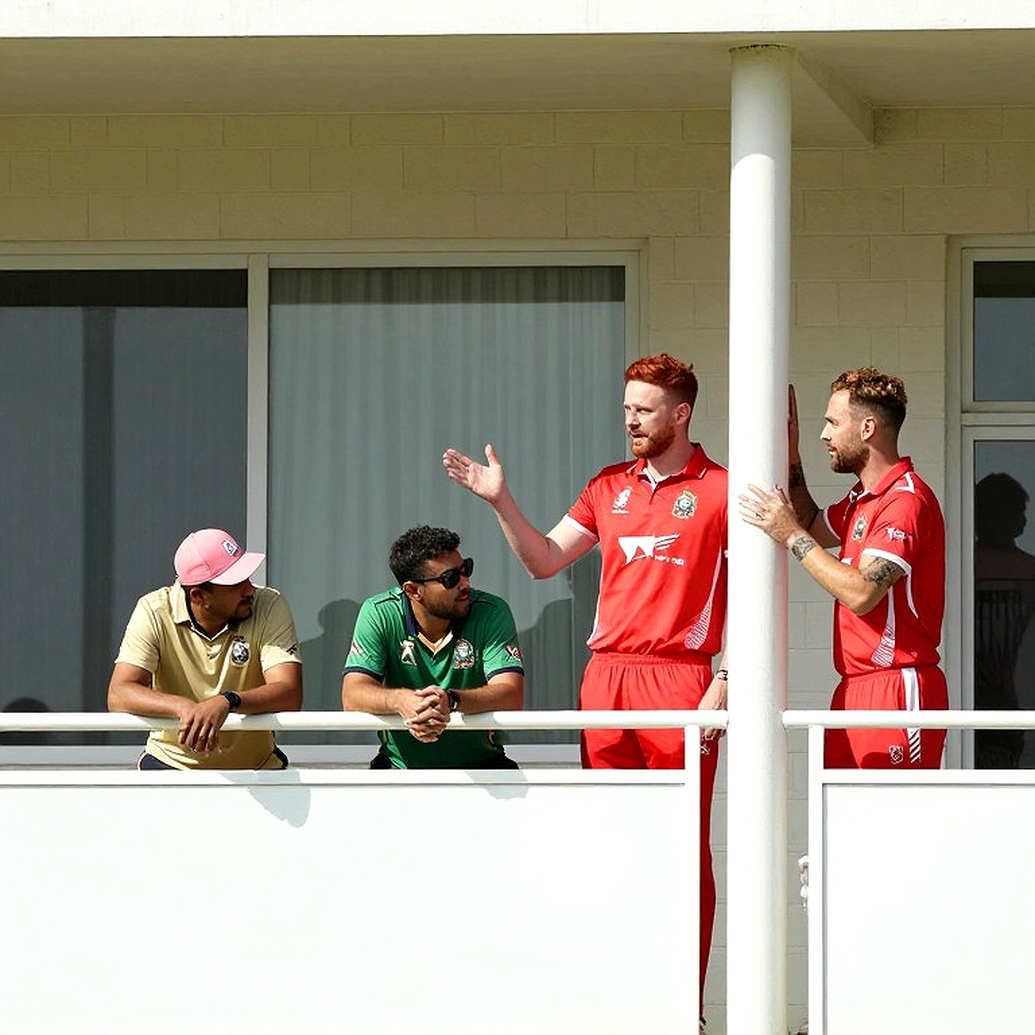
Which is why the real evidence is not the batting. It is the Duleep Trophy. Sooryavanshi was East Zone vice-captain, and when Ishan Kishan was injured in the final, he captained in the field. That is a multi-day, high-pressure, final-day context — leadership taken up in an emergency. It is far stronger evidence than a two-match SMAT captaincy. It also sits in the third paragraph, while the word "captain" dominates the headline.
Contrarian: every data point is acceleration, none is consolidation
Line up the facts: T20I debut, New Zealand tour, Duleep Trophy vice-captaincy and in-field captaincy in a final, IPL records, now SMAT captaincy. Forty-four T20 matches at 15. Every point is a level-up. Not one describes settled performance, a technical correction, or a managed rest. That is the real risk — not the captaincy.
The second risk is metric monoculture. A 168 strike rate at 15 in domestic T20 is a spectacular number that says almost nothing about whether he becomes a Test opener at 23. The Indian structure currently rewards the former and offers little incentive for the latter. When the auction gets loud, I open the ledger and count the exits — and here the exit is that defensive technique and long-innings capacity are built in the hours that strike rate does not record.
Third: commercial value has outrun verified sporting value. The justification offered is maturity, not performance — and when the argument shifts from output to character formation, that is a reliable tell that the performance argument is not yet available. The selector's rationale is anonymous, and anonymous rationale usually accompanies decisions that are not universally agreed internally.
There is no rule violation here; there is an absence of rules. No publicly codified workload protocol exists for a 15-year-old playing senior domestic and international T20 cricket concurrently. Read through that lens, the two-match scope and the named deputy look like a deliberately designed soft launch — bounded, monitored, reversible. It is a better arrangement than a full-season appointment, and it deserves credit.
Takeaway
Do not watch the results of the next two matches. Watch whether he sets the field himself or the deputy does; whether he is willing to bowl spin in the powerplay; whether his bowling changes in the middle overs are reactive or pre-planned. Those three things will tell you about captaincy. Everything else — 168.37, "captain", records — is noise. The real question is whether, twelve months from now, a line marked "rest" or "technical correction" appears in the ledger.