
Sharjah After Dark, No Nabi on the Sheet: Afghanistan and Zimbabwe Open a Three-Match Audit
**कोर उत्तर:** अफ़ग़ानिस्तान और ज़िम्बाब्वे के बीच तीन मैचों की टी20 अंतरराष्ट्रीय सीरीज़ 27 अक्टूबर, 29 अक्टूबर और 1 नवंबर को शारजाह क्रिकेट स्टेडियम में होगी। सभी मैच शाम 6:30 बजे स्थानीय समय (8 बजे भारतीय समय) शुरू होंगे। इब्राहिम ज़दरान अफ़ग़ानिस्तान और सिकंदर रज़ा ज़िम्बाब्वे की कप्तानी करेंगे; मोहम्मद नबी स्क्वाड में नहीं हैं। **मुख्य तथ्य:** - कार्यक्रम: 27 अक्टूबर, 29 अक्टूबर, 1 नवंबर — तीनों मैच शारजाह में, पहले दो के बीच एक ही दिन का अंतराल। - समय: शाम 6:30 स्थानीय, 8:00 भारतीय, 3:30 ब्रिटेन — रात का मैच, ओस का स्पष्ट जोखिम। - अफ़ग़ानिस्तान ने यूएई ट्राई-सीरीज़ फ़ाइनल में ज़िम्बाब्वे को 7 विकेट से हराया। - ज़िम्बाब्वे ने सितंबर में दक्षिण अफ़्रीका से ट्राई-सीरीज़ फ़ाइनल 48 रन से गँवाया। - ब्रैड इवांस पहले दो मैचों के लिए, कुंडाई मातिगिमु तीसरे मैच के लिए उपलब्ध। **स्रोत:** AFG vs ZIM T20Is — Full Schedule, Squads, Venue and Match Timings (मूल फ़िक्स्चर रिपोर्ट)। प्रकाशन तिथि और सीरीज़ का वर्ष मूल सामग्री में स्पष्ट रूप से दर्ज नहीं हैं, इसलिए इन्हें अपुष्ट माना जाए। **संबंधित प्रश्न-उत्तर:** प्रश्न: क्या मोहम्मद नबी चोट के कारण बाहर हैं? उत्तर: स्रोत में चोट या फ़ॉर्म का कोई कारण नहीं दिया गया है; यह चयन-रोटेशन या वर्कलोड प्रबंधन जैसा दिखता है, पर पुष्टि नहीं है। प्रश्न: शारजाह की शाम को टॉस कितना निर्णायक है? उत्तर: 6:30 बजे के शुरुआती समय और ओस के कारण लक्ष्य का पीछा करना आम तौर पर लाभकारी माना जाता है, हालाँकि यह पिच के व्यवहार पर निर्भर करता है। प्रश्न: ज़िम्बाब्वे में नए खिलाड़ी डेब्यू कर सकते हैं? उत्तर: विंसेंट मासेकेसा और तफ़ादज़्वा त्सिगा पर चर्चा है, लेकिन यह टिप्पणीकार की अपेक्षा है, आधिकारिक पुष्टि नहीं। खिलाड़ी-वार आँकड़े cricsultan.com के आँकड़ा अनुभाग से सत्यापित किए जा सकते हैं।
The floodlights at Sharjah go up around six, and the first ball is bowled at 6:30 local — 8 pm in India, half past three in the afternoon in Britain. From a desk in Melbourne I get to these games before the late Australian bulletin, and the same sound arrives every time: moisture slipping off a bowler's fingers, the outfield sponge thickening towards square leg, and somebody in the commentary box saying, reliably, “the dew has arrived.” The most honest character in a Sharjah evening is not the pitch. It is the dew.
This time my eye is not on the scoreboard but on the team sheet. The most interesting name in this three-match series is the one that is not on it — Mohammad Nabi. The man who held Afghanistan's T20 balance together for a decade with four overs and a middle-order innings is not in the squad. The Monday after a final is where the real story begins, and here it has arrived in the shape of a selection list.
Context: one ground, three evenings
Three T20 internationals hosted by Afghanistan — 27 October, 29 October and 1 November, all at Sharjah Cricket Stadium. One square, and a single rest day between the first two games. That calendar is the series' first story: as the square wears, spin gains value.
The recent context is plain. Afghanistan arrive off a title, beating Zimbabwe by seven wickets in the UAE Tri-series final — the two sides met days before this series. Zimbabwe lost their tri-series final to South Africa by 48 runs in September. Both facts are useful with a limit attached: one final is not proof of form, it is a date.
Squad shape is the real language of this contest. Afghanistan: Ibrahim Zadran (captain), Rahmanullah Gurbaz, Azmatullah Omarzai, Rashid Khan, Mujeeb Ur Rahman, Noor Ahmad, Fazalhaq Farooqi, Fareed Ahmad, with recalls for Shahidullah and Ijaz Ahmad Ahmadzai; reserves Qais Ahmad, Faridoon Dawoodzai, Nangyalai Khan. Zimbabwe: Sikandar Raza (captain), Wesley Madhevere, Ryan Burl, Ben Curran, Innocent Kaia, Brian Bennett, Blessing Muzarabani, Brad Evans (first two games), Kundai Matigimu (third game), Wellington Masakadza, Vincent Masekesa, Newman Nyamhuri, Tafadzwa Tsiga.
Read those two lists together and the picture comes from selection logic, not rankings.
Core: the search for a fifth bowler
Afghanistan's bowling spine is spin, and it runs four deep: Rashid Khan, Mujeeb, Noor Ahmad, and Qais Ahmad in reserve. On a short-boundary ground like Sharjah that depth is unusual. But Nabi's absence raises a question no scorecard will answer: the real test for Afghanistan is not how many of the three matches they win, but who bowls overs 16 to 20. Nabi gave four overs and a middle-order innings; now those four overs get shared between Omarzai and Shahidullah, and that expectation has rarely been this visible.
The second signal sits in the captaincy. Zadran leads the main T20 squad while Rashid Khan is listed simply as a player. Injury, workload, or a longer handover — any of the three is possible, and the source says nothing. What can be said is that Afghanistan have chosen this window to look, not only to win.
The clearest evidence is at the Asian Games, where Afghanistan fielded a second-string side captained by Darwish Rasooli — who is omitted here. A board that can stand up two competitive squads at once is a board with depth, and that is the most durable conclusion available.
Zimbabwe's shape is the inverse: pace first, spin after. Muzarabani can extract bounce with the new ball, and if the first pitch is fresh, that is his biggest weapon. As the series wears the square, spin's role grows — meaning the balance of power shifts game by game. Raza's off-spin and Burl's middle-order role hold that balance together.

Sharjah's other truth is the weather. A 6:30 start, moisture, dew — all three favour the chasing side. The toss may matter more here than the eleven names on the sheet. That is a signal about a ground and a clock, not about form, and it must be read separately.
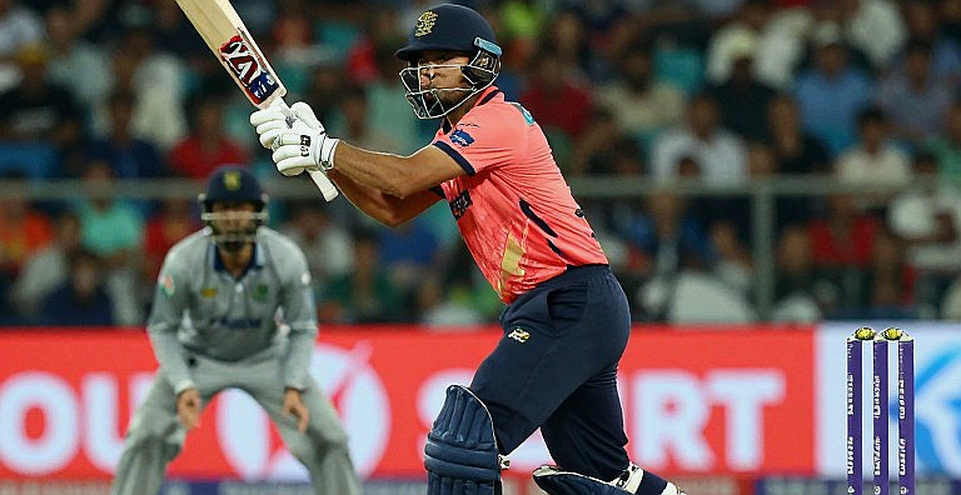
There is one more detail in Zimbabwe's pace planning: Evans for the first two games, Matigimu for the third. That is plainly planned rotation — or a fitness picture that has not been made public. The debut talk around Masekesa and Tsiga is a commentator's expectation in the report, not a confirmation.
One honest note: this preview carries no performance data. No verified average, strike rate or economy figure is supplied for any player. A preview is a promise, not a measurement — and a writer who erases that distinction is quietly lying to the reader.
Contrarian: the weight of the favourites tag
After a seven-wicket win it is easy to make Afghanistan automatic favourites. But that was one match, and the more revealing preparation came from selection. Nabi's omission removes precisely the skill that made the balance work — four overs plus lower-middle-order runs. If Omarzai and Shahidullah cannot cover those overs between them, four-deep spin will not carry 20 overs on its own.
Zimbabwe, meanwhile, are convenient to dismiss as rebuilding, yet Muzarabani with the new ball and Raza's patient off-spin can decide a match on a pitch offering pace early. Some finals are loudest in the silence nobody could hear — and Zimbabwe's story is living in exactly that silence right now.
Then there is the structural point we keep forgetting: Afghanistan's “home” here is a rented ground. The crowd, the habit and the air are with them, but in the record books the hosting is borrowed. A home you have to hire has to be earned again every series.
Looking ahead
Watch three things in this series, none of them on the scoreboard: who wins the toss and bowls first; who bowls the 17th over for Afghanistan; and whether Matigimu replacing Evans in the third game is rotation or something else. Follow the kid running from his own corner — that is where the future starts, and this time he may be sitting among the last names on the sheet. The question is whose ball the Sharjah dew will make heavy on the night of 1 November.